Who is Tom Deacon?
Since I was a not so small child I have had history forced down my throat. This was inevitably going to happen at some point.
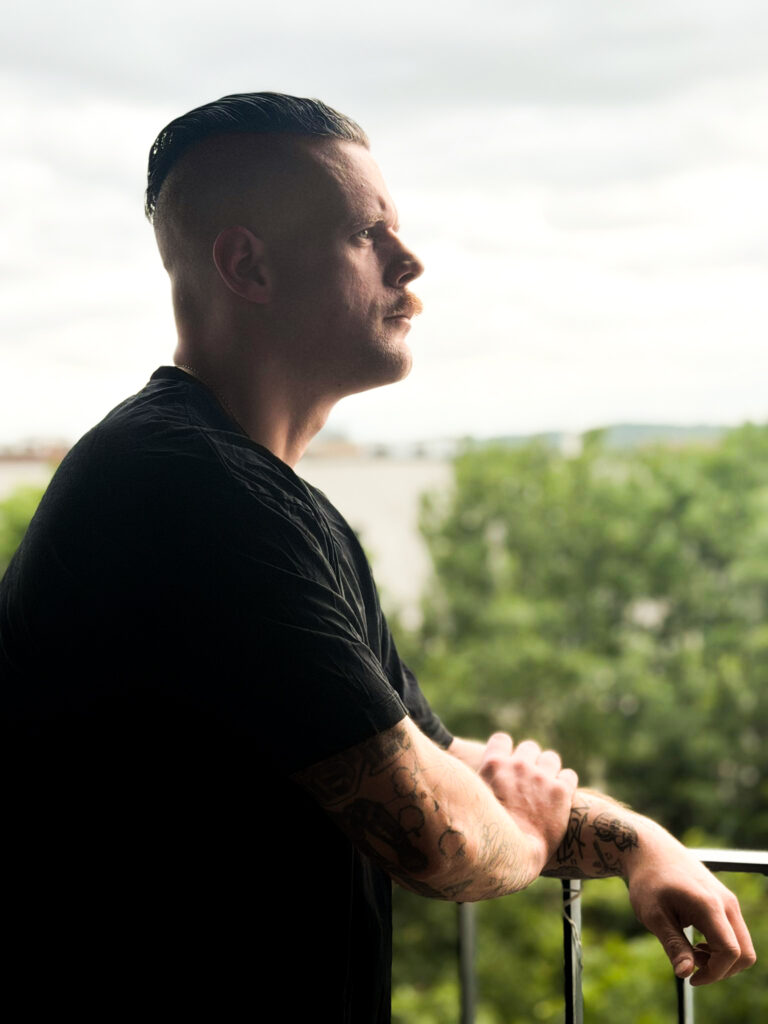
I’m a history teacher and content creator with 9 years in mainstream education and the last 4 working in a Pupil Referral Unit. I have ADHD and dyslexia, and I was told by some teachers from a young age that I wouldn’t amount to much. That stuck with me, but not in the way they intended. Never tell someone with ADHD they can’t do something.
I’ve spent my career trying to prove that idea wrong, not just for myself, but for the students I work with every day. I want every learner, regardless of ability, need, or background to have someone in their corner who genuinely believes they can achieve anything if they want to. That belief runs through everything I do in education.
My classrooms (and my content) tend to be fast-paced, visual, slightly chaotic in a controlled way, and built around engagement rather than passive learning because that’s what actually works for a lot of the young people I work with.
Outside of teaching, I’m into survival games, miniature painting, drumming, and hardcore music.
I like systems, stories, and things that feel like they might fall apart at any moment but somehow hold together anyway. There’s probably a metaphor in there somewhere.
Humour is a big part of how I work and how I cope with life in general. If you can’t laugh at it, it gets heavy pretty quickly.
Tracing Percy is, at its heart, a personal journey following my great grandfather through the First World War, an ordinary bloke, like so many others, who never spoke about the experiences that shaped him, for better and for worse. And he wasn’t unique in that. Too many ordinary people’s stories are lost to time. This is an attempt to turn that tide.
The project actually began with my nan, who started researching her dad when I was young. What began as me picking up and finishing her work has, unsurprisingly, escalated into something far bigger than either of us probably expected.
It’s become a way of stitching together fragments of history, archives, and memory to understand not just what happened, but what it meant and what was left unsaid.
I have tried to blend all of this together, a passion for the ordinary person and their place in history, gameplay, archives, and storytelling. I am trying to show the human experience underneath it all. It’s part documentary, part book, part obsession.
Everything I do sits in the same place: education, storytelling, and trying to make sense of people, past and present who were just trying to get through it.